



Your session will expire in 5 minutes, 0 seconds, due to inactivity.
Stay Logged In
You're currently viewing this site in a different language. Would you like this to make your default language?
You can change your country and language settings in the future by using the selector at the top of the page.

Local Area

Alcázar de Colón
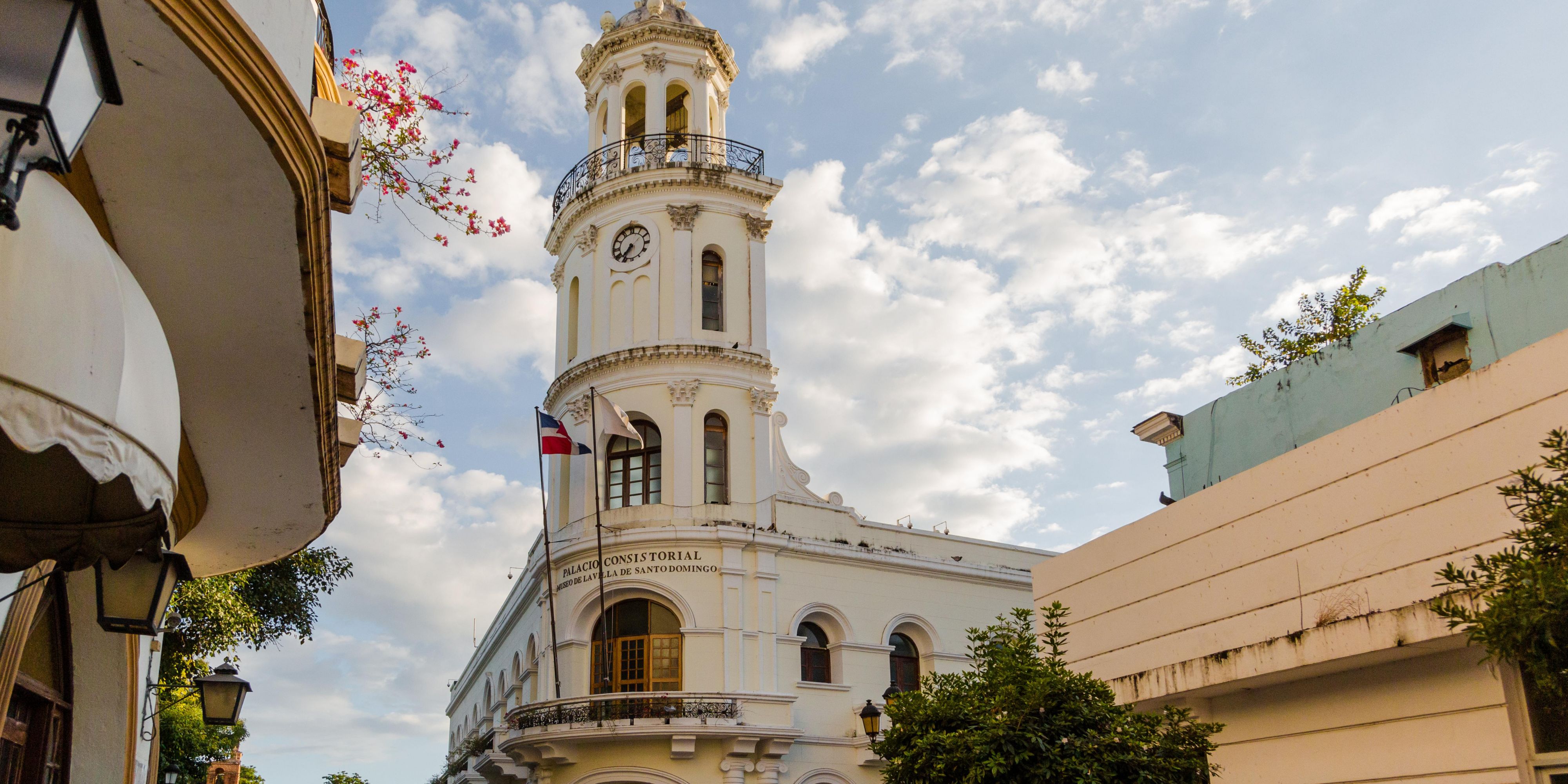
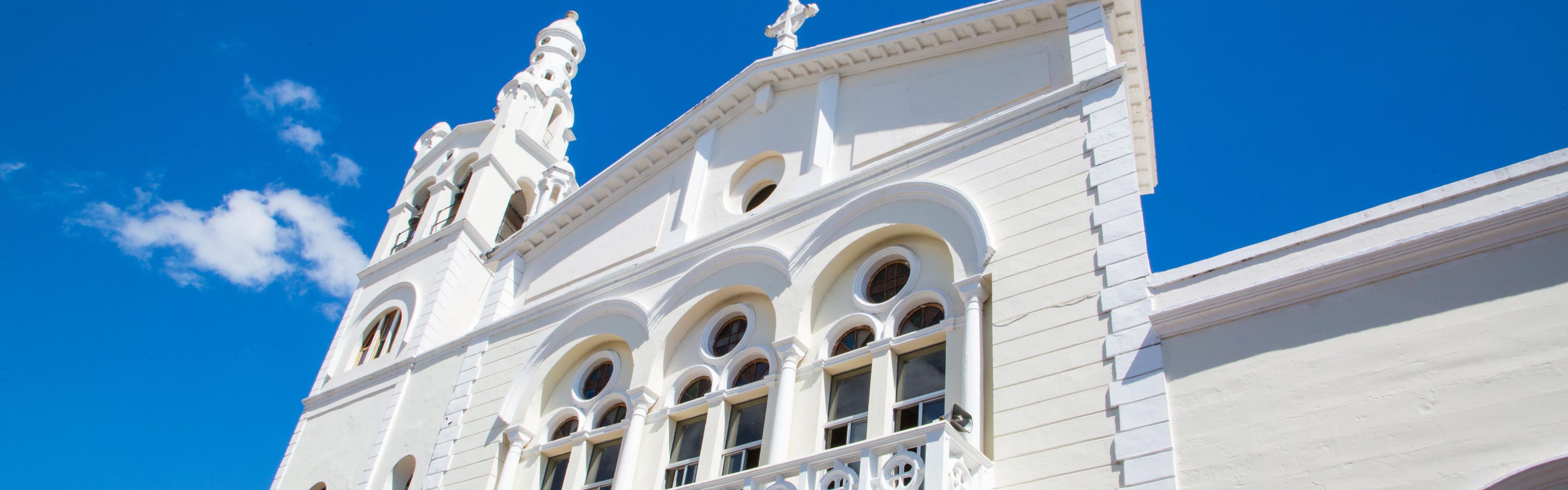
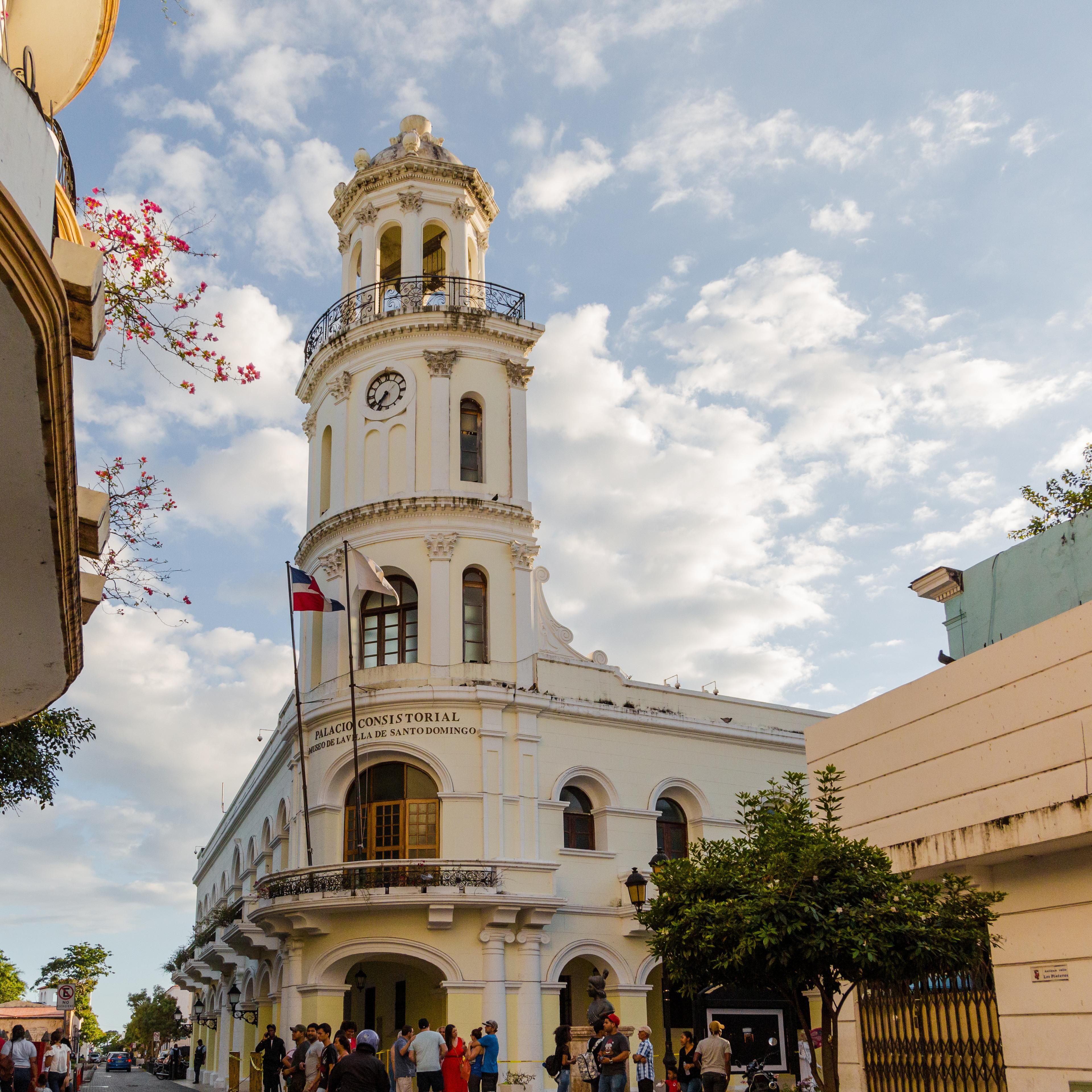
The Alcazar de Colon, residence of Diego Columbus and Maria de Toledo, was the center of the first viceregal court in the Americas. This 16th-century palace, built in Gothic-Mudejar style with Renaissance influences, today houses the Alcazar de Colon Museum with an impressive collection of colonial furniture and art. Located in Plaza Espana, a few minutes' walk from Casas del XVI, it offers spectacular views of the Ozama River and is a must-see to learn about Dominican history.
Ruinas del Monasterio de San Francisco
The ruins of the San Francisco Monastery are the remains of the first Franciscan monastery built in the Americas, founded in 1508. Although earthquakes and the passage of time left only its stone walls and arches, these ruins retain a melancholic beauty that attracts photographers and history lovers. Illuminated at night, they offer a magical setting in the Colonial City. Near Casas del XVI, they are a silent testament to the early years of colonization in the New World.
Basílica Catedral de Santa María la Menor
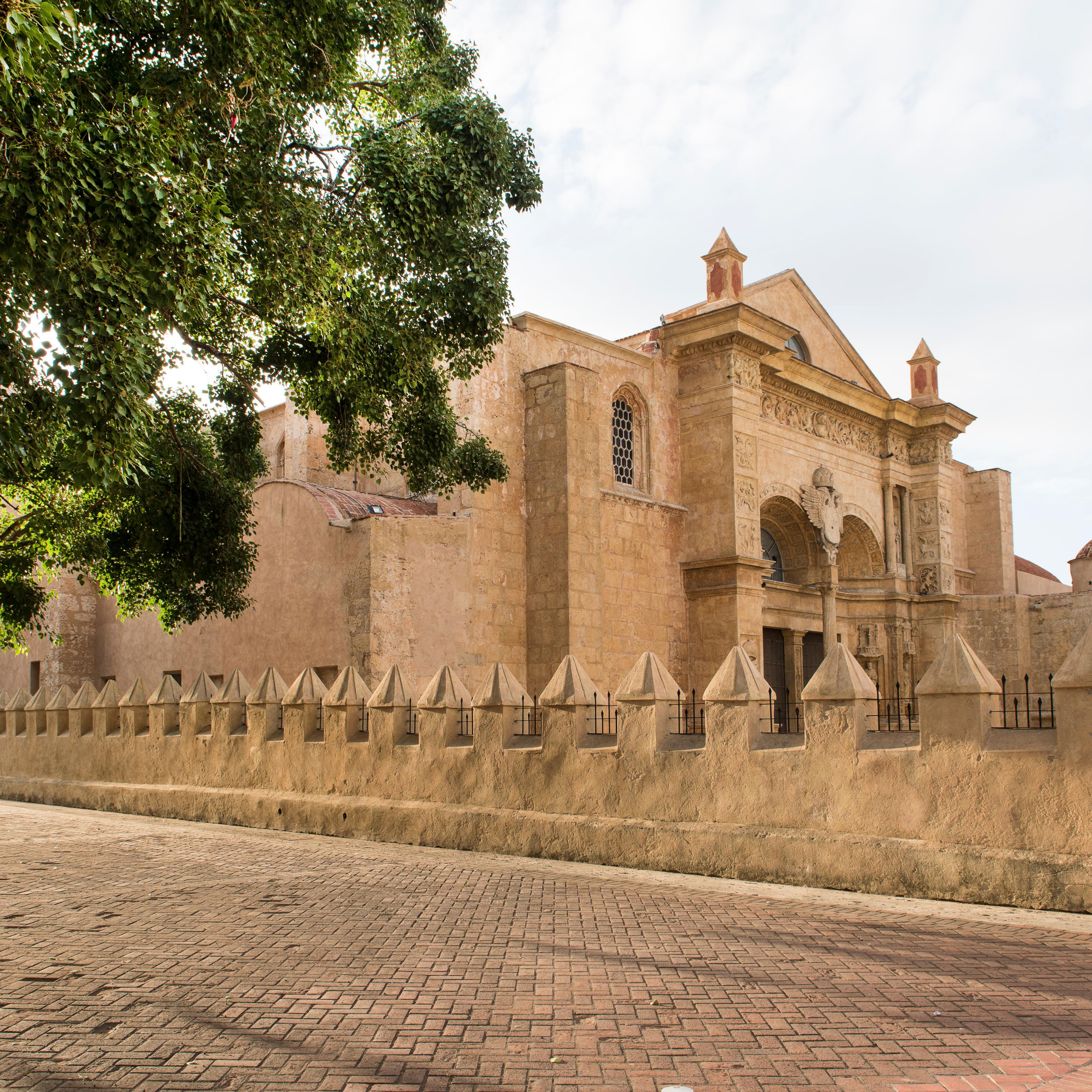
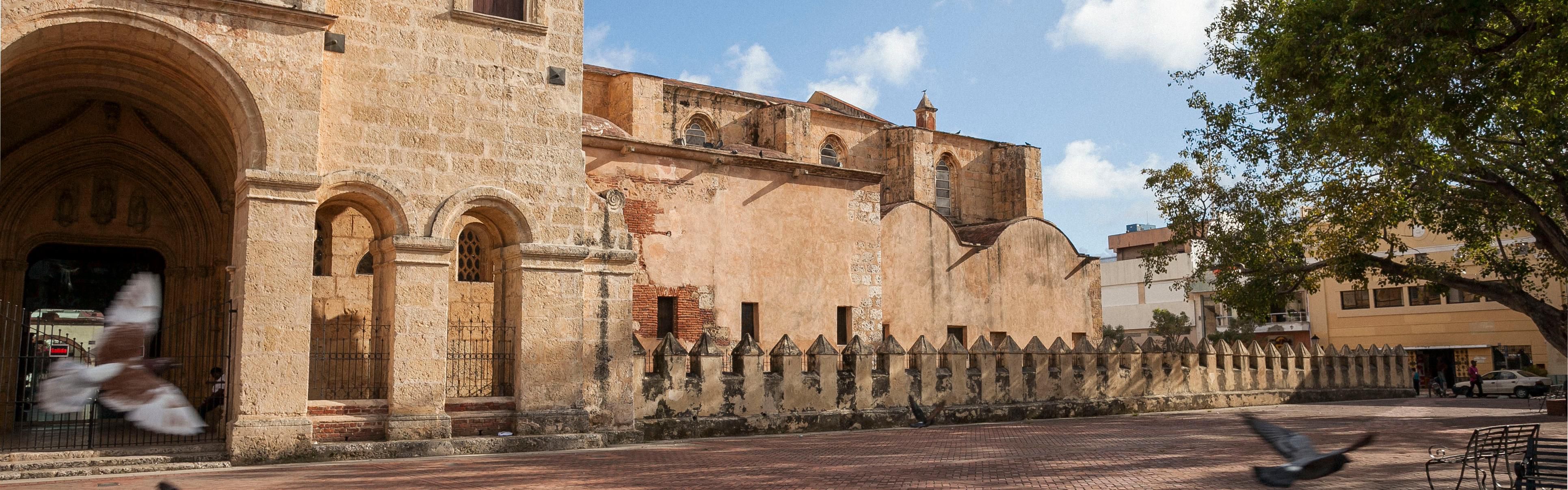
The Cathedral of Santa Maria la Menor, known as the First Cathedral of the Americas, is the first cathedral built in the New World. Located steps from Casas del XVI in the Colonial City of Santo Domingo, this 16th-century architectural jewel blends Gothic and Renaissance styles. Its interior houses religious artwork, historic chapels and the mausoleum where the remains of Christopher Columbus once rested.
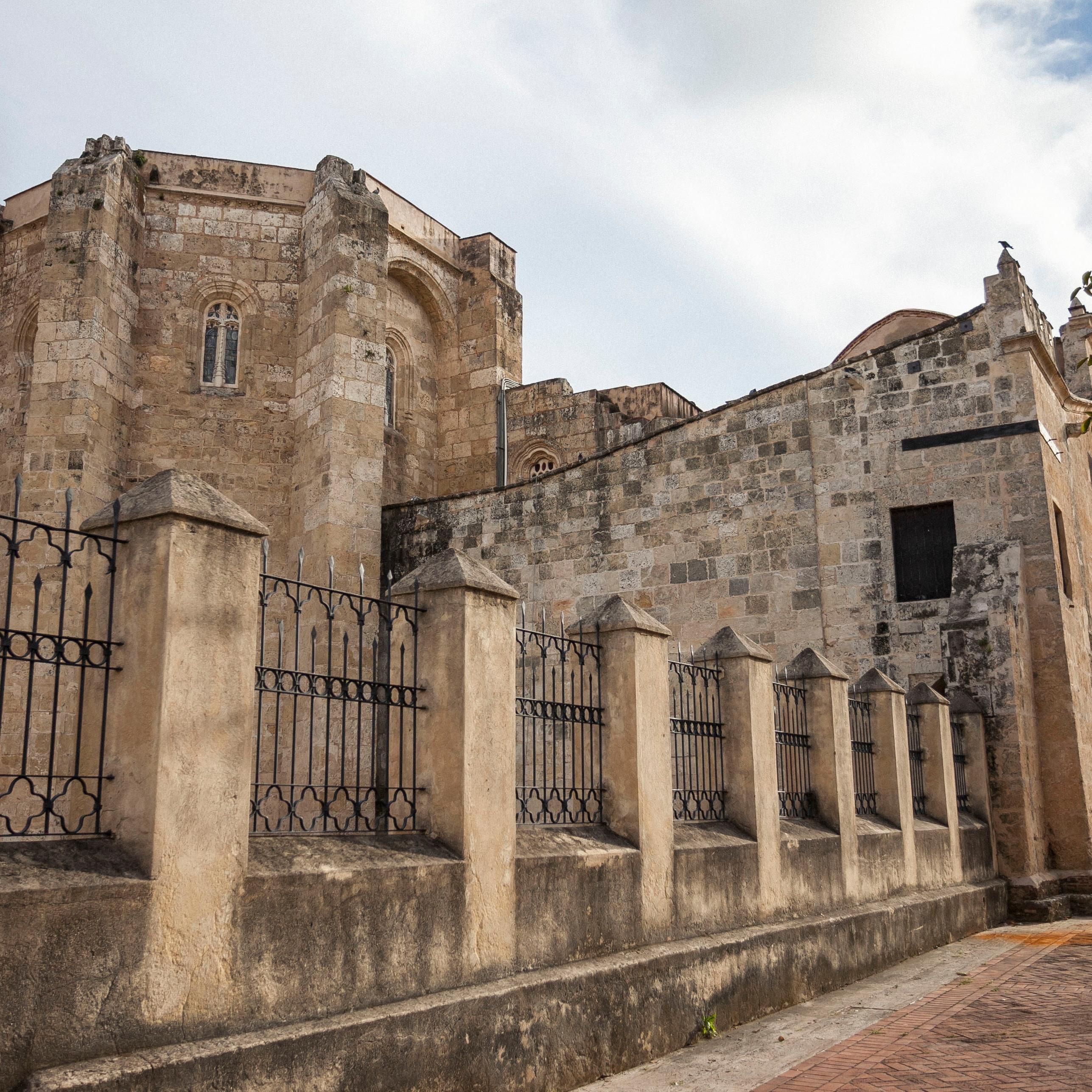
Puerta de la Misericordia
One of the historic gateways to the city, linked to key moments of Dominican independence. A place of strong symbolic value.
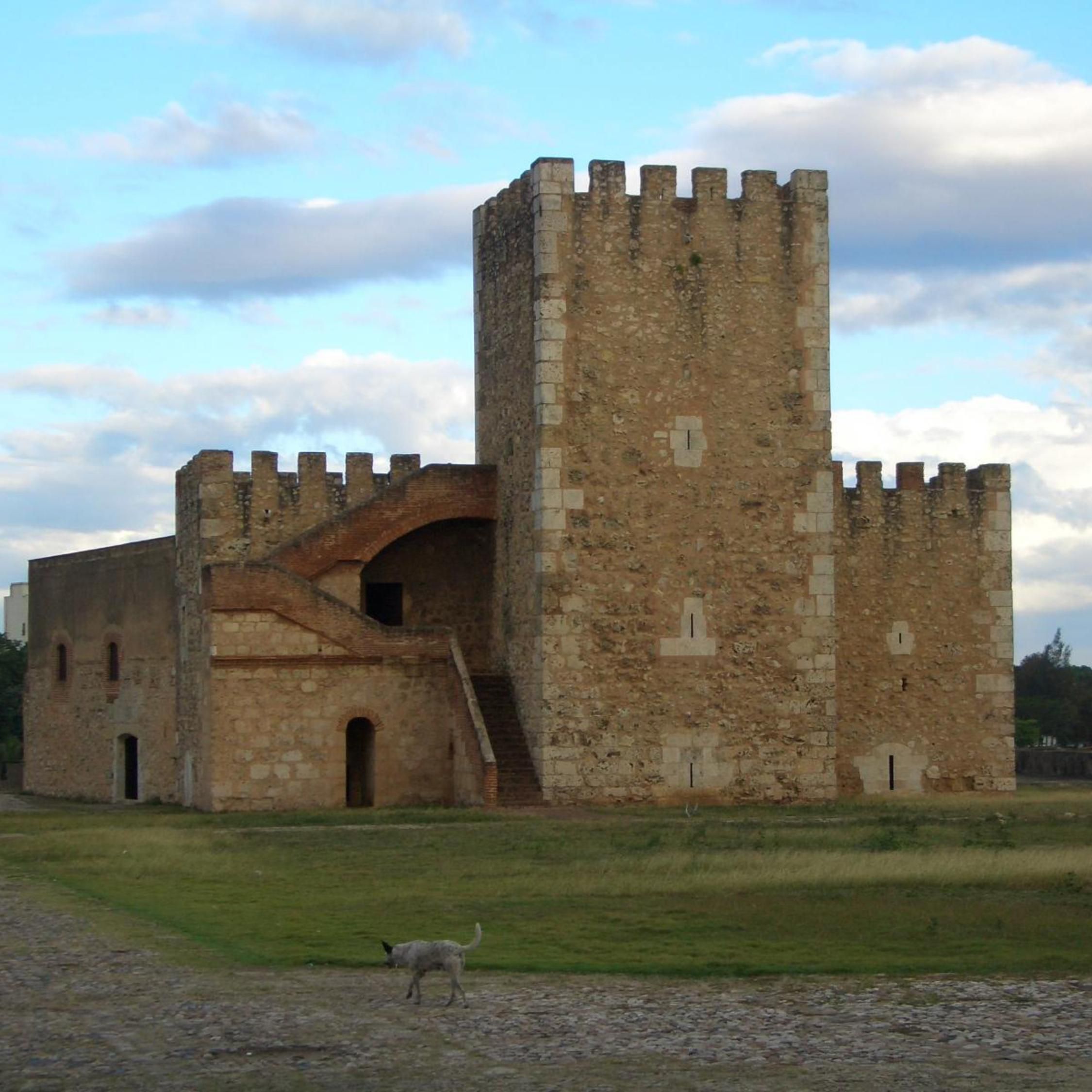
Fortaleza Ozama y Museo
The Ozama Fortress is the oldest military fortification built by Europeans in the Americas, erected between 1502 and 1508 to protect the city from pirate attacks. Its imposing Tower of Homage dominates the landscape of the Colonial City and offers panoramic views of the Ozama River and the Caribbean Sea. The interior museum exhibits weapons, maps and historical artifacts. A short distance from Casas del XVI, it is an essential visit to understand the military and strategic history of Santo Domingo.
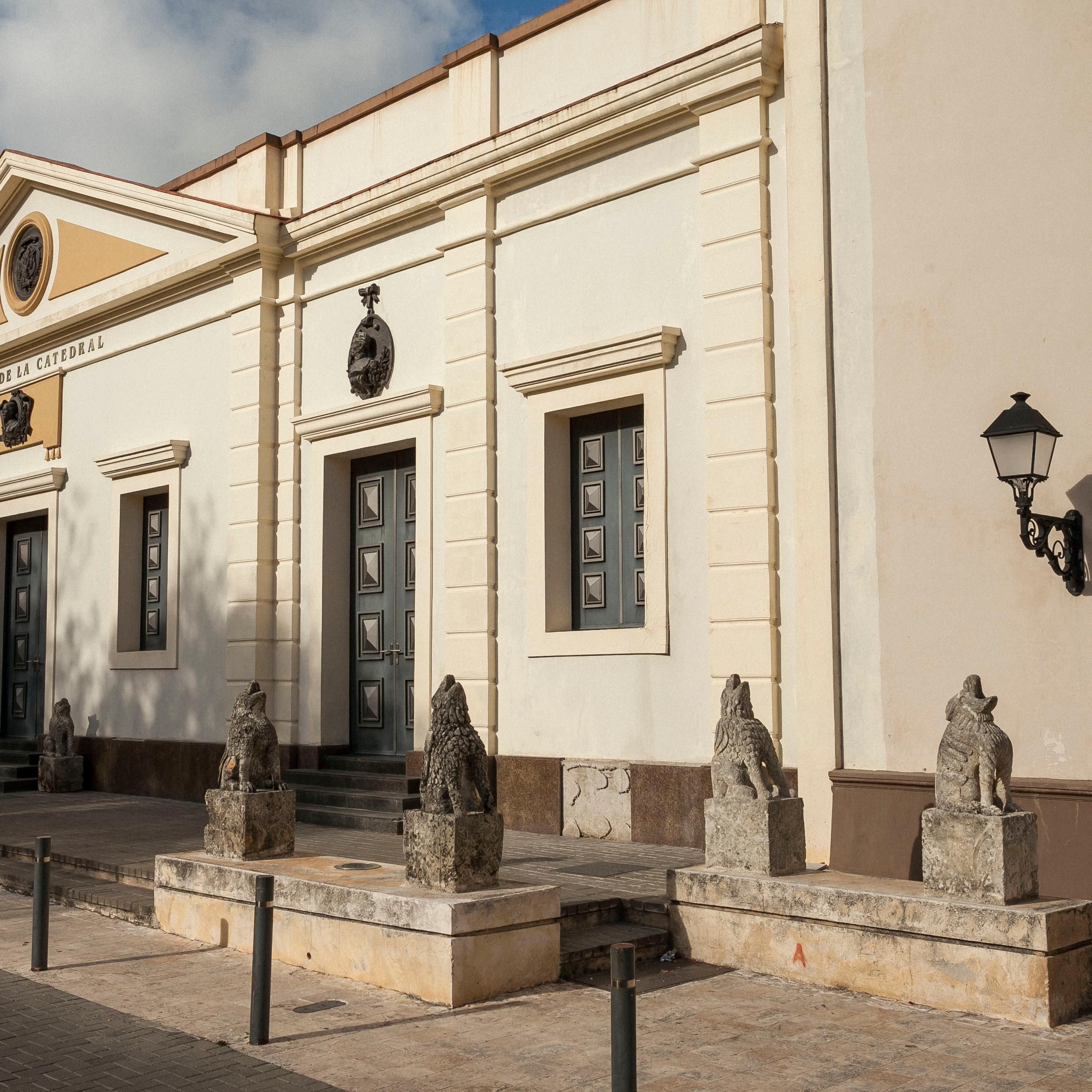
Panteón de la Patria
The National Pantheon, originally an 18th-century Jesuit church, is today the national mausoleum where the remains of Dominican heroes rest, including the Founding Fathers: Juan Pablo Duarte, Francisco del Rosario Sanchez and Matias Ramon Mella. Its neoclassical architecture, the eternal flame and the interior murals create a solemn atmosphere. Located on Las Damas Street in the Colonial City, minutes from Casas del XVI, it is a place of deep national significance.
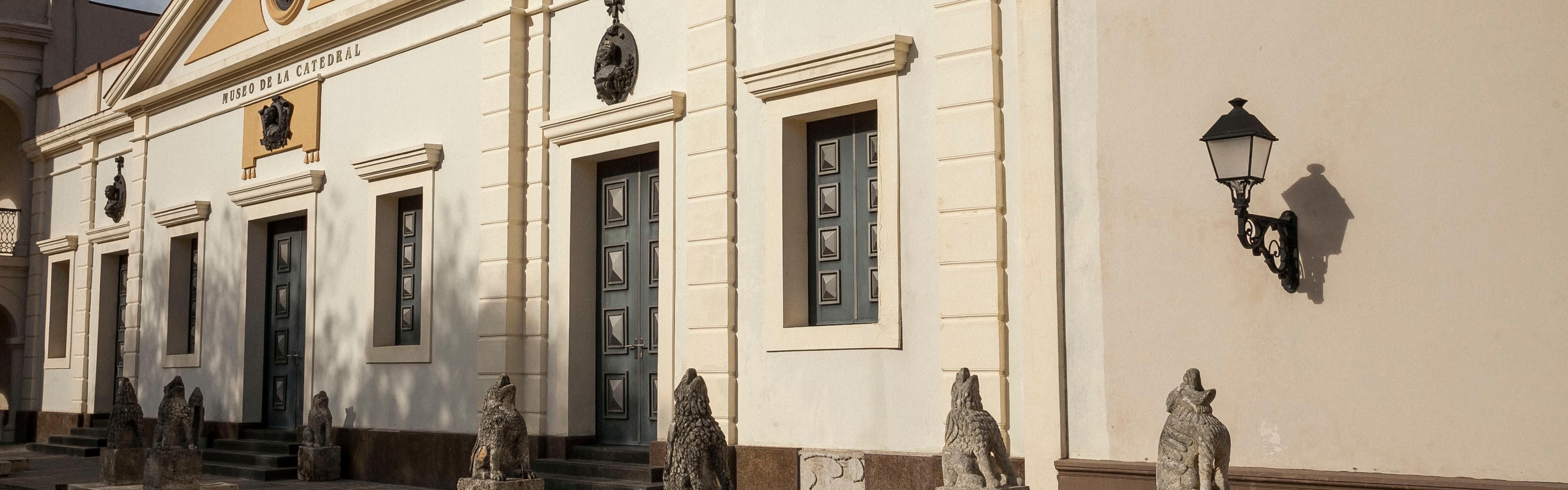
Museo de las Casas Reales
The Museum of the Royal Houses occupies the buildings that were the seat of the Royal Court and the Captaincy General during the Spanish colonial era. Its rooms exhibit collections of weapons, coins, antique maps, navigation instruments and objects that narrate the history of the conquest of the Americas. Located on Las Damas Street, the first paved street in the New World, this museum is essential to understand the role of Santo Domingo as the capital of the Spanish empire in the Caribbean.
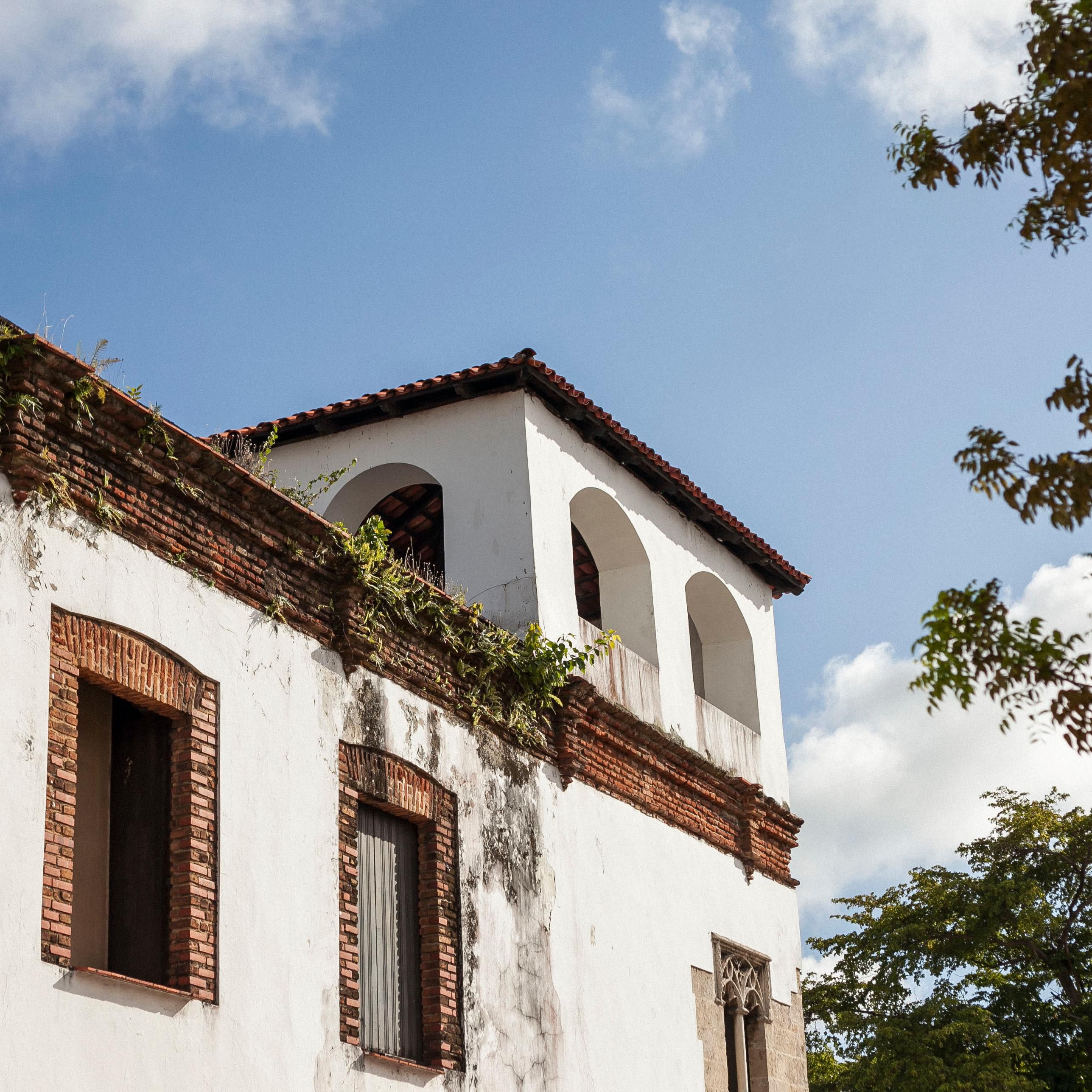
Museo del Ámbar Dominicano
The Dominican Amber Museum exhibits one of the most important amber collections in the world, including pieces with insects and prehistoric plants preserved millions of years ago. Located in a restored colonial house in the Colonial City of Santo Domingo, the museum explains the formation process of Dominican amber, famous for its clarity and variety of colors. Steps from Casas del XVI, it is a fascinating experience that connects geology with the natural history of the Caribbean.
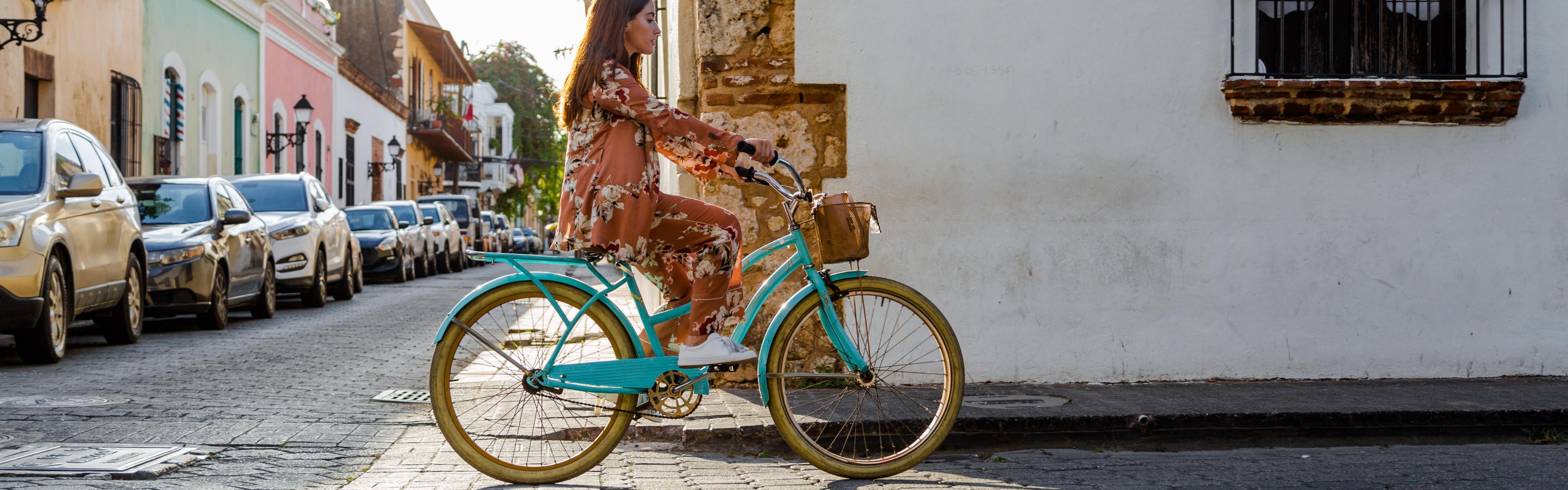
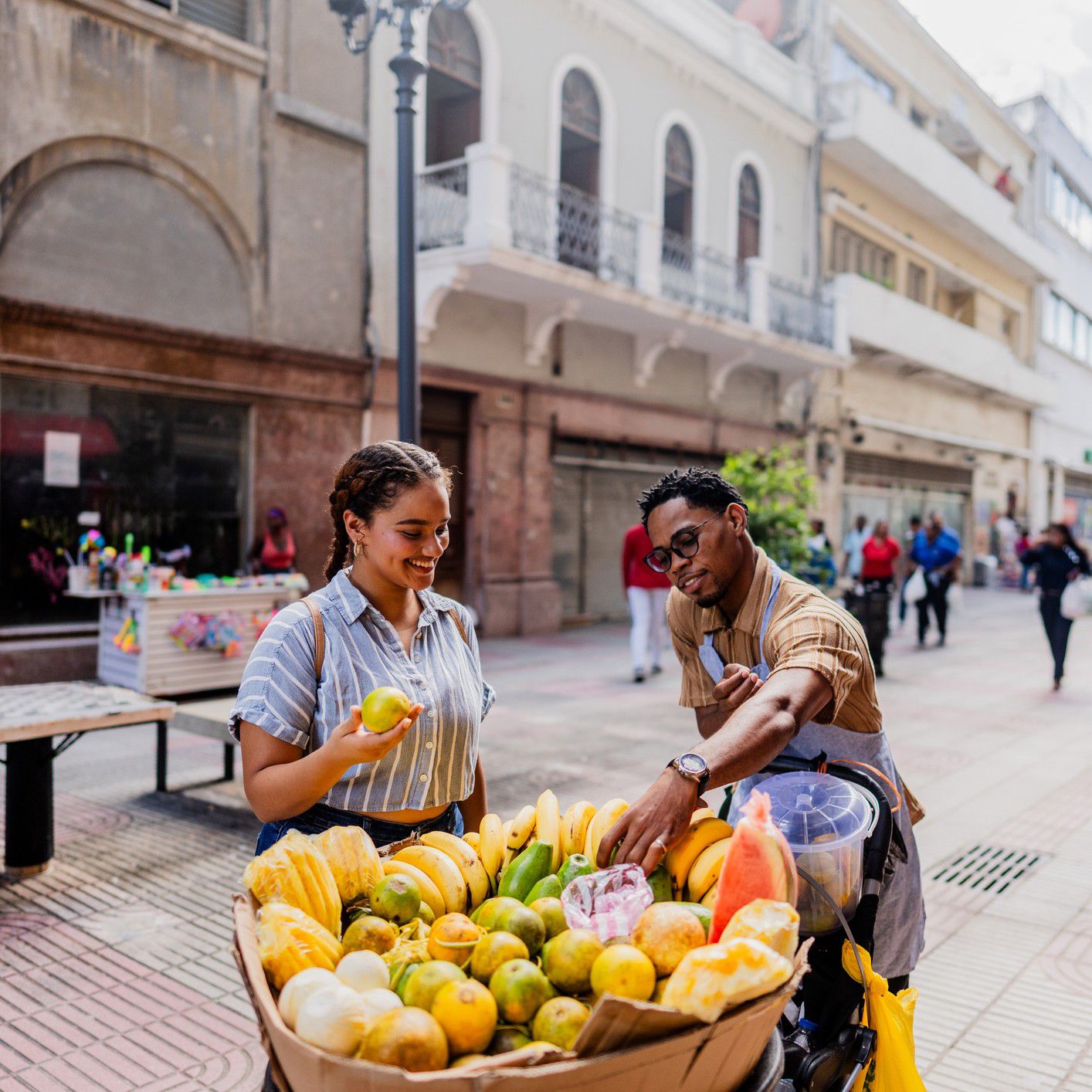
Parque Nacional De Los Tres Ojos
Los Tres Ojos National Park is a system of limestone caves with three underground lakes of crystal-clear turquoise and emerald waters, formed thousands of years ago. The Taino people considered this place sacred. Located a twenty-minute drive from the Colonial City of Santo Domingo, it offers a unique natural experience with boat rides and trails among stalactites. Our concierge at Casas del XVI can coordinate private transportation and guided visits to this natural treasure.
Plaza de España y Zona Gastronómica
Spain Square is the social heart of the Colonial City of Santo Domingo, surrounded by the Alcazar de Colon and restaurants with outdoor terraces where you can enjoy Dominican and international cuisine. At night, the square comes alive with live music, couples dancing merengue and bachata, and a festive Caribbean atmosphere. A short walk from Casas del XVI, it is the perfect place to dine under the stars, try local dishes and experience Dominican culture in its fullest expression.

Parque Independencia
A key point in the history of the country, surrounded by monuments and open spaces that invite a pause during your tour of the city.
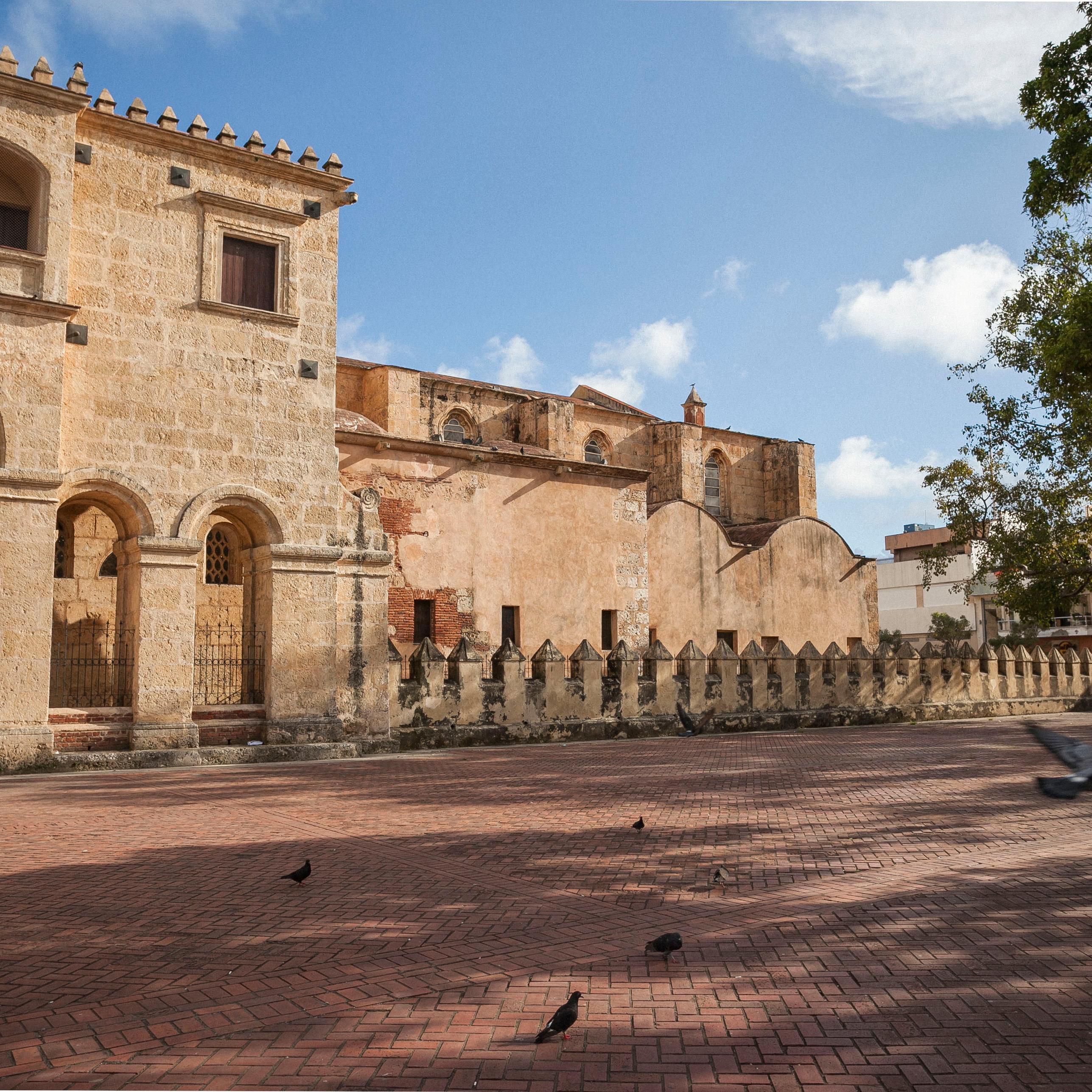
Parque Colón
Colon Park, the central square of the Colonial City facing the First Cathedral, is the most emblematic meeting point in Santo Domingo. Its statue of Christopher Columbus, benches shaded by centuries-old trees and cafes with terraces create an ideal setting to rest and observe everyday Dominican life. Street artists, craft vendors and local musicians enliven the square. Steps from Casas del XVI, it is perfect to begin a tour of the historic monuments.
KahKow Experience
A space dedicated to Dominican cacao where you can learn about its process and taste local products in a contemporary and dynamic setting.
Colonial Gate 4D Cinema
An interactive experience that journeys through the history of Santo Domingo through immersive technology, ideal to complement a tour of the Colonial City.

Casas del XVI
Calle 19 de Marzo No. 111, Santo Domingo 10210 , DO
Check in - 3:00 PM, Check out - 12:00 PM