Your session will expire in 5 minutes, 0 seconds, due to inactivity. Stay Logged In
Your session has expired. Please sign in to your profile

InterContinental Boston Hotel History

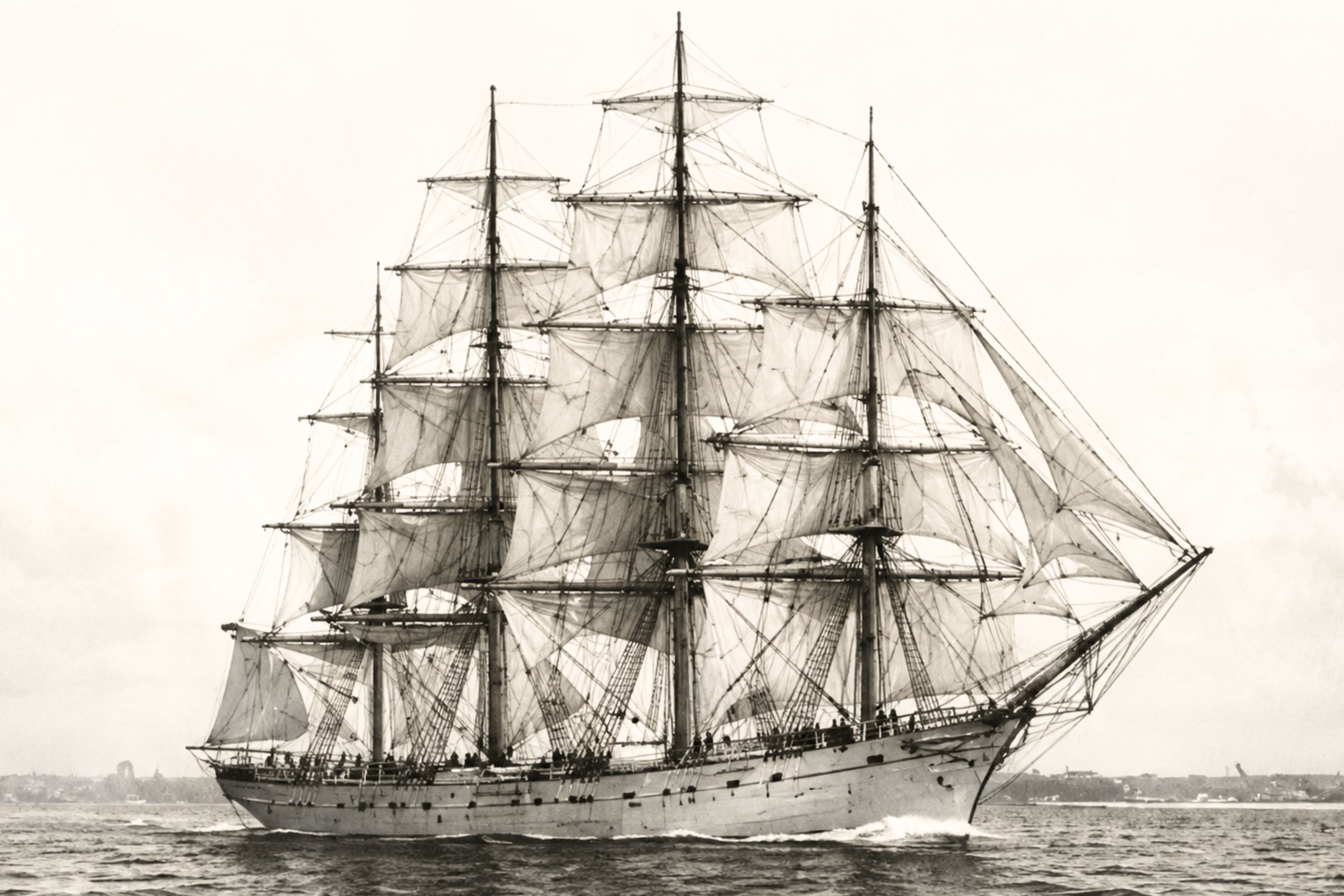
Historic four-masted sailing ship on Boston Harbor, vintage photo.
More Than a Waterfront Address

Inspired by Ships that Shaped Boston

Many hotels overlook Boston Harbor. InterContinental Boston was designed to embody it. Inspired by the tall ships and clipper ships that once sailed these historic wharves, the hotel's architecture pays tribute to Boston's maritime legacy through its sweeping curves, reflective glass and distinctive silhouette, creating a timeless connection between the city's past and the travelers it welcomes today. 

Before the Hotel: Russia Wharf

Long before the hotel rose along Fort Point Channel, this area formed part of Boston’s active commercial waterfront. 

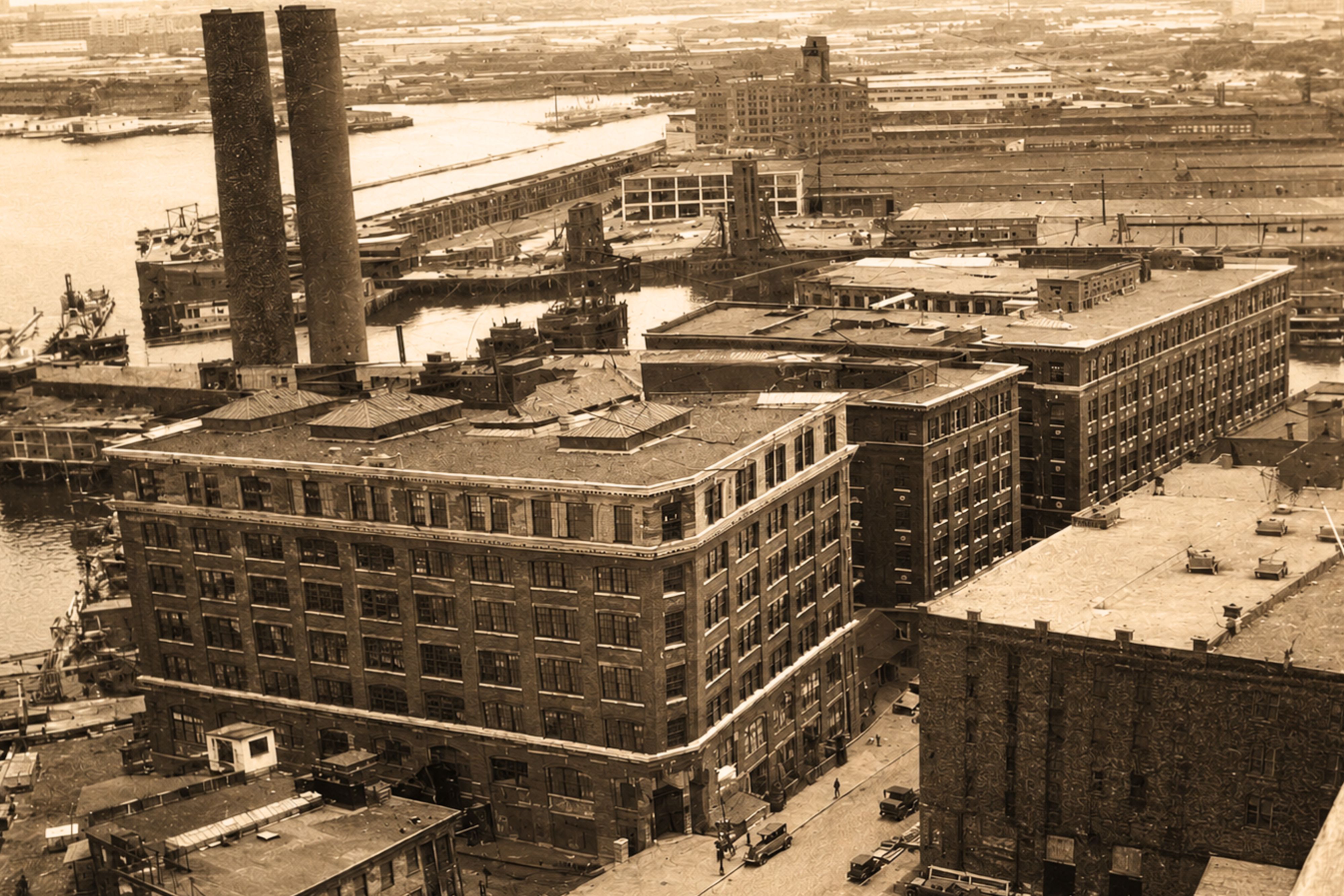
Immediately nearby stood Russia Wharf, named for the international trade that passed through its warehouses. In 1829 alone, the wharf handled 39 ships carrying a variety of Russian goods. The Russia, Graphic Arts, and Tufts buildings later occupied the site, including a seven-story Classical Revival building designed by Peabody and Stearns. 

The waterfront was not simply the edge of Boston. It was one of the places through which Boston connected with the wider world. 
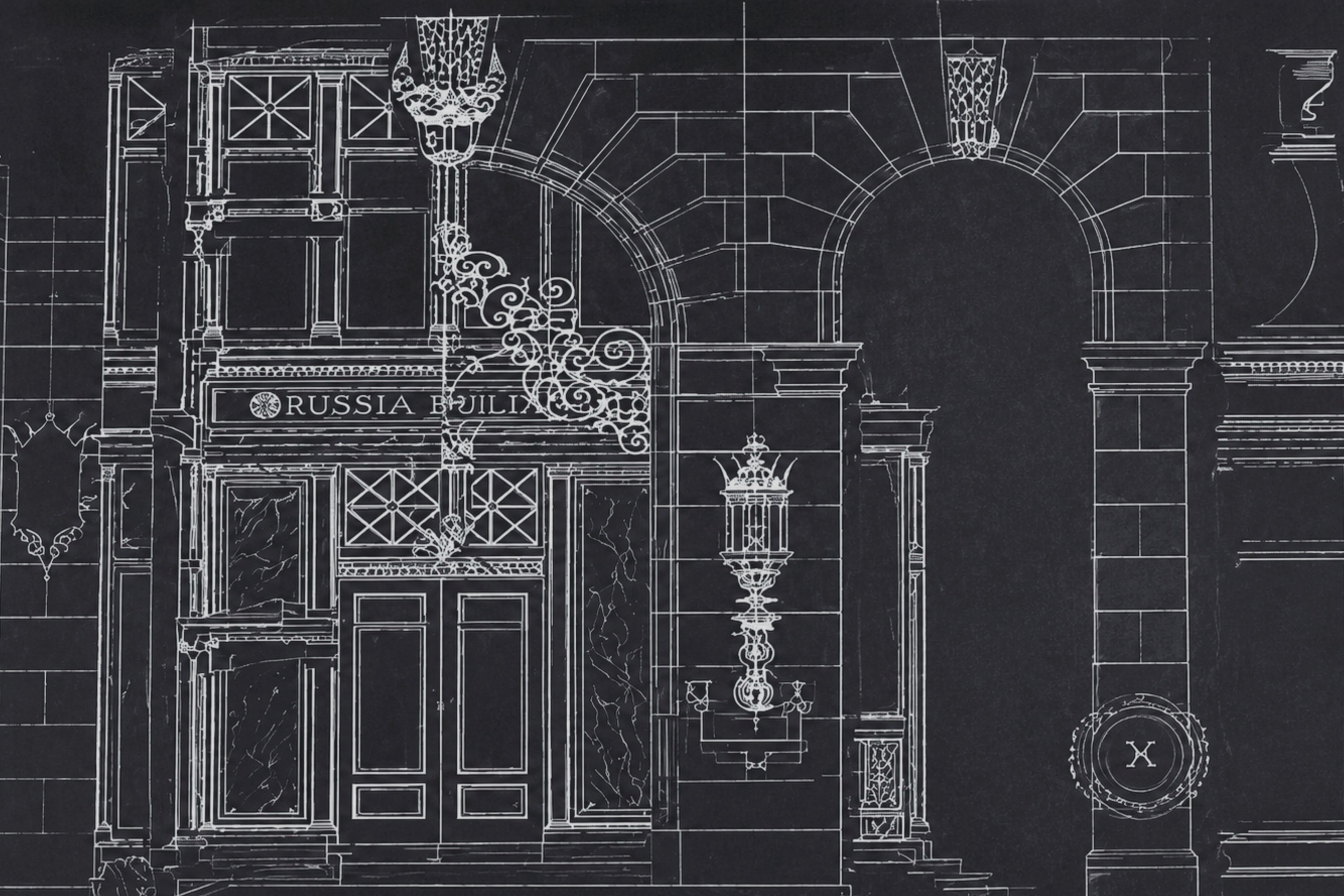
Architectural elevation drawing of the historic Russia Building.

Russia, Graphic Arts, Tufts Building
Russia Wharf, early 1900s 

Historic Boston waterfront industrial complex, sepia aerial view.

The Russia Building Entrance
Elevation Drawing, ca. 1891 

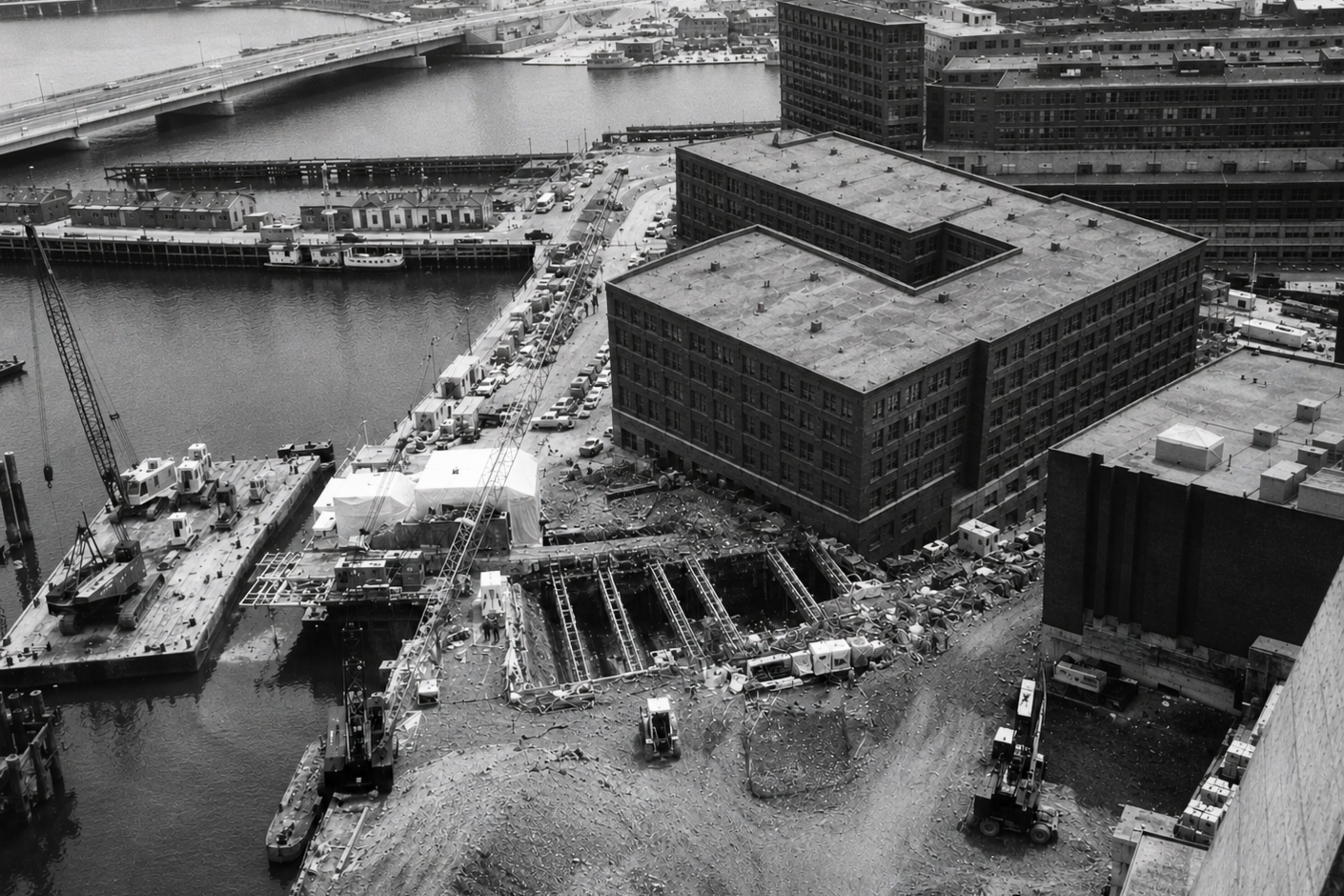
Aerial view of Fort Point Channel waterfront construction, 2002.

The Waterfront, 2002
View of Fort Point Channel 

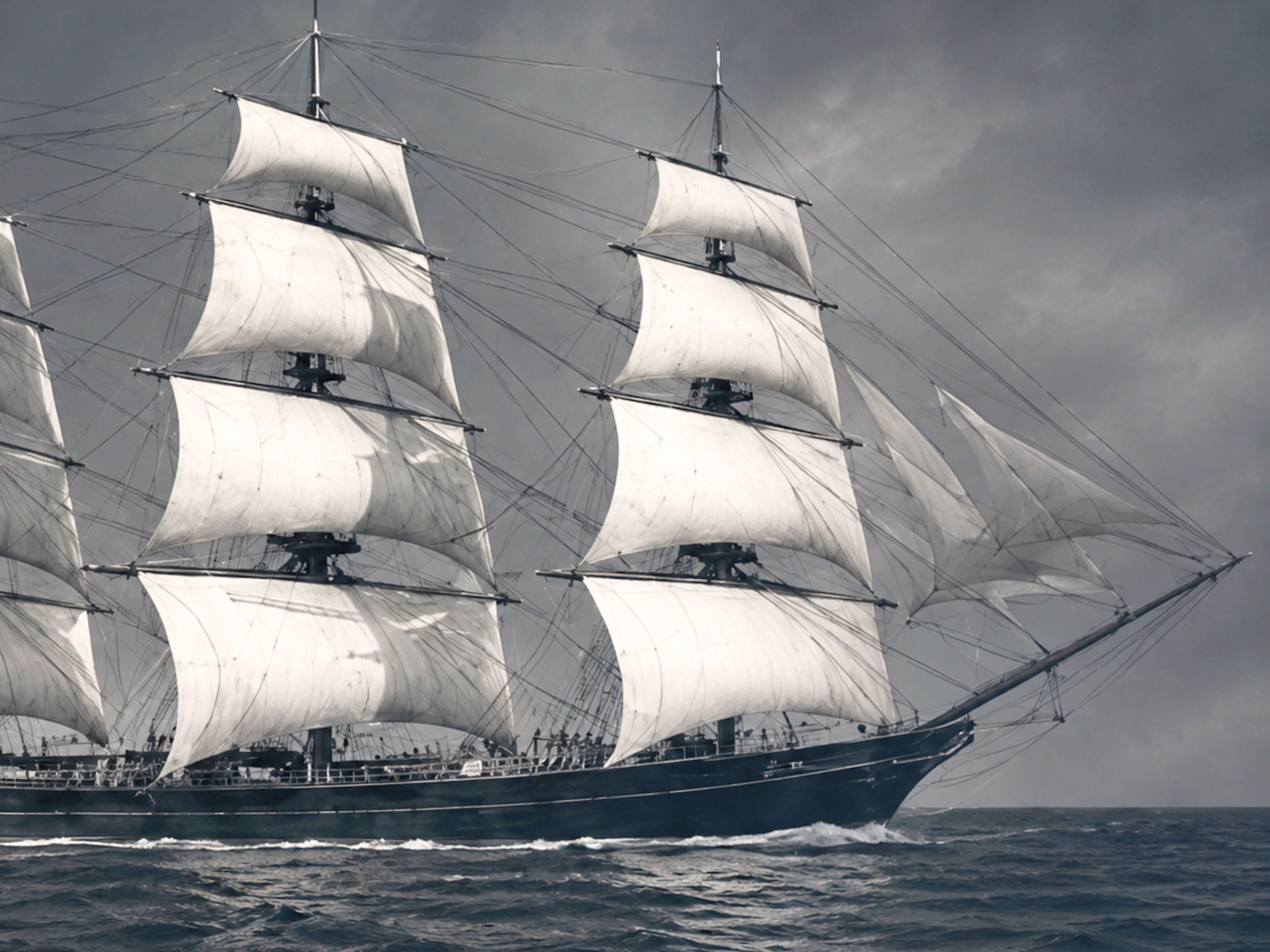
Tall clipper ship with billowing sails on Boston Harbor.
The Clipper Era

Built for Speed. Remembered for Beauty.

During Boston’s nineteenth-century shipbuilding era, clipper ships became symbols of American ingenuity and ambition.

Their sleek hulls and vast sails carried passengers and freight across the globe at record speeds, helping establish America’s early global economy. They represented both technological achievement and the romance of travel, becoming an enduring source of New England pride. 

Although steamships and railroads eventually brought the clipper era to an end, their forms and stories remained part of Boston’s identity. 

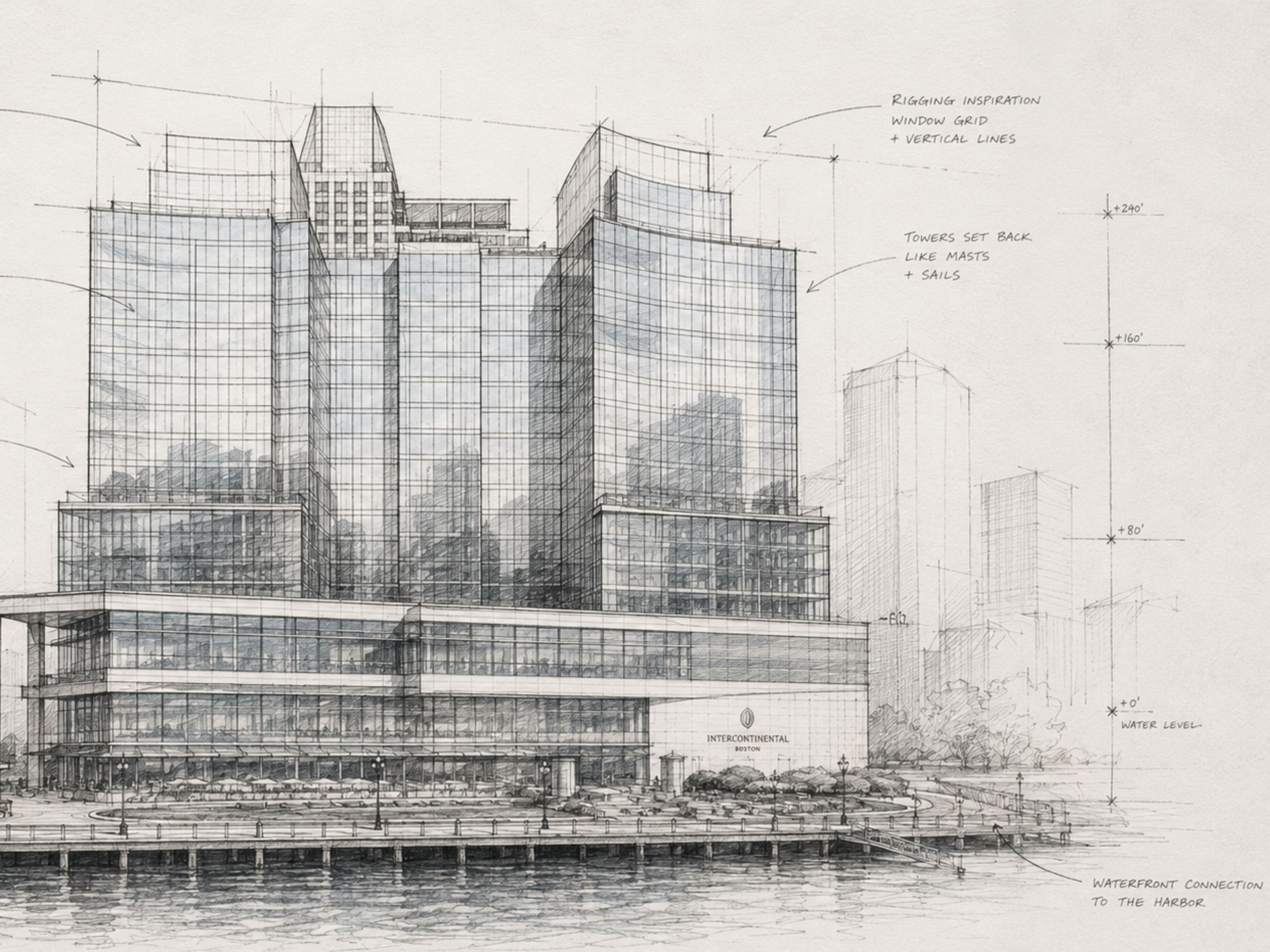
Architectural sketch of InterContinental Boston on the waterfront.
The Architecture

A Tall Ship Reimagined in Glass

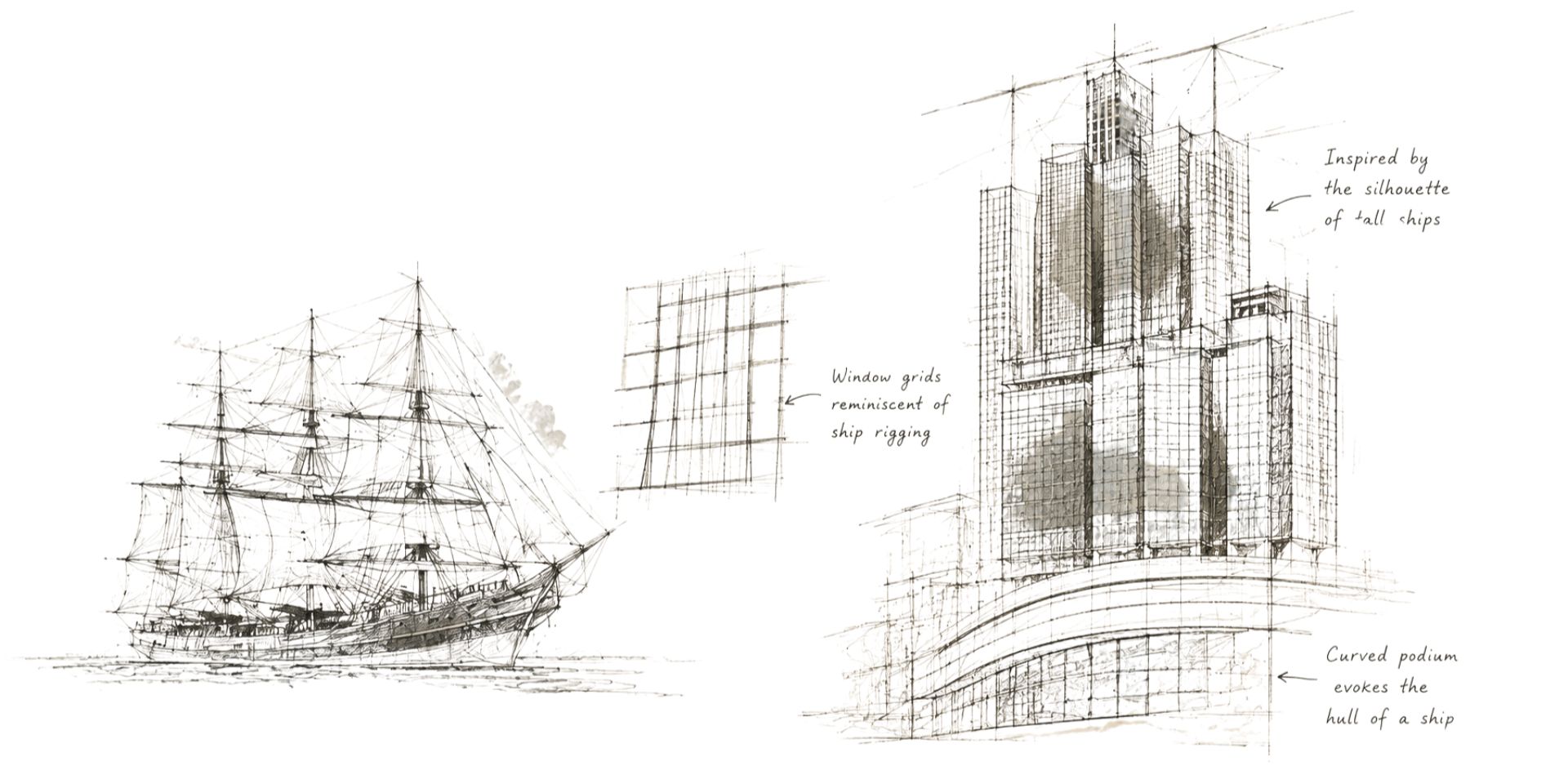
The design of InterContinental Boston transforms the movement, craftsmanship, and spirit of the iconic tall ships that once lined Boston's waterfront into contemporary architecture. The hotel's reflective glass façades capture the ever-changing sky, recalling the winds that once filled the ships' sails. Its distinctive window grids echo the intricate rigging that carried these vessels across the globe, while the gracefully curved podium evokes the hull of a clipper ship and pays tribute to Boston's rich maritime trading heritage. Together, these architectural elements create a modern landmark deeply rooted in the city's seafaring past. 


Architectural sketch comparing a historic tall ship to InterContinental Boston's design, highlighting ship-inspired elements such as the curved podium, window grids, and tower silhouette.

The Architect’s Statement

“The winds that once filled the magnificent sails are remembered in the ever-changing reflections of the sky moving across glass facades; the window grids reminiscent of the rigging; and the curved podium evocative of Boston’s maritime trade.”

- Howard Elkus, Elkus Manfredi Architects


The Waterfront Continues A Living Connection to the Harbor

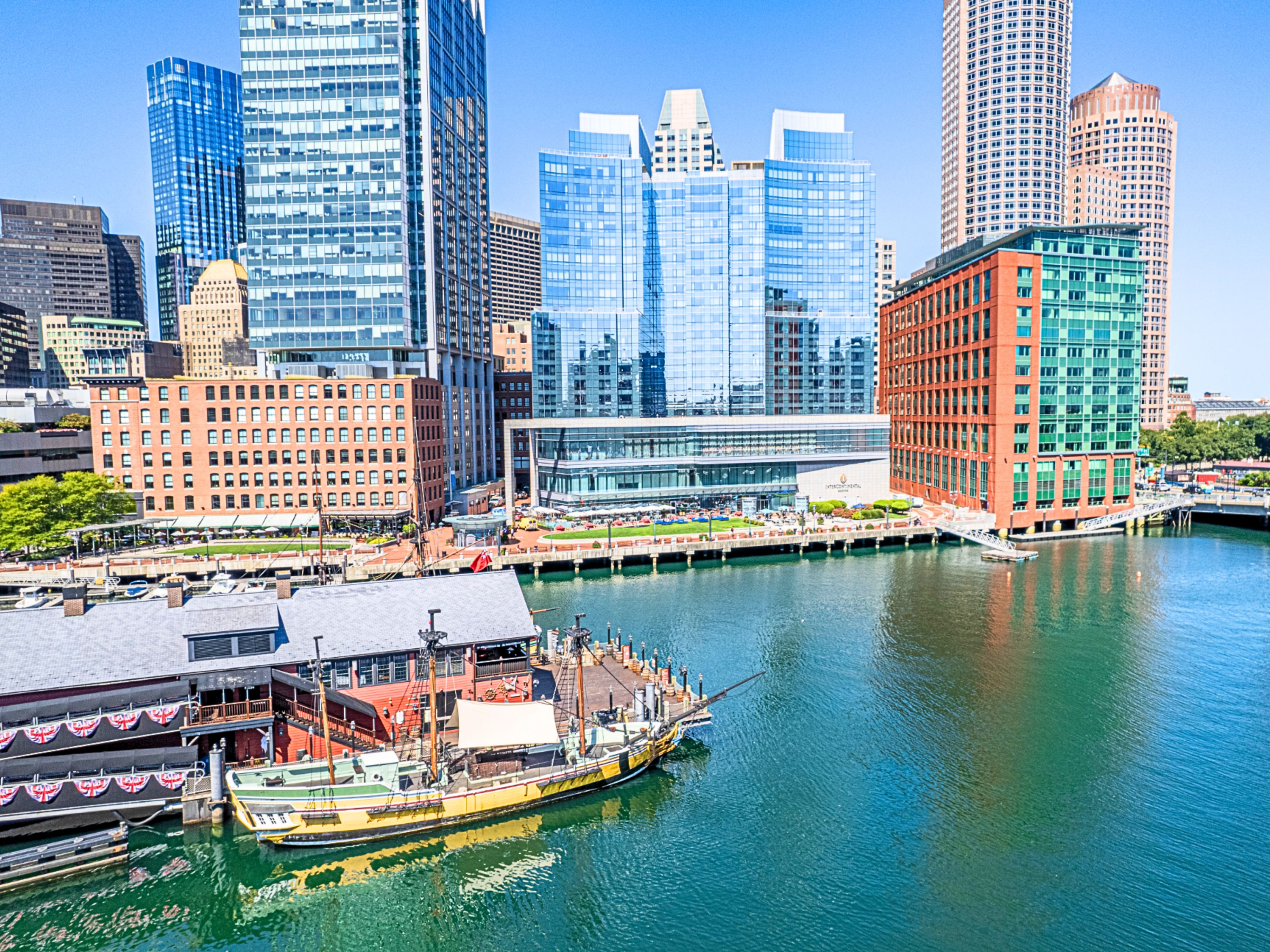
The story is not confined to the building’s exterior. From views across Fort Point Channel to evenings on the waterfront terrace, the harbor remains part of the experience of staying at InterContinental Boston. 

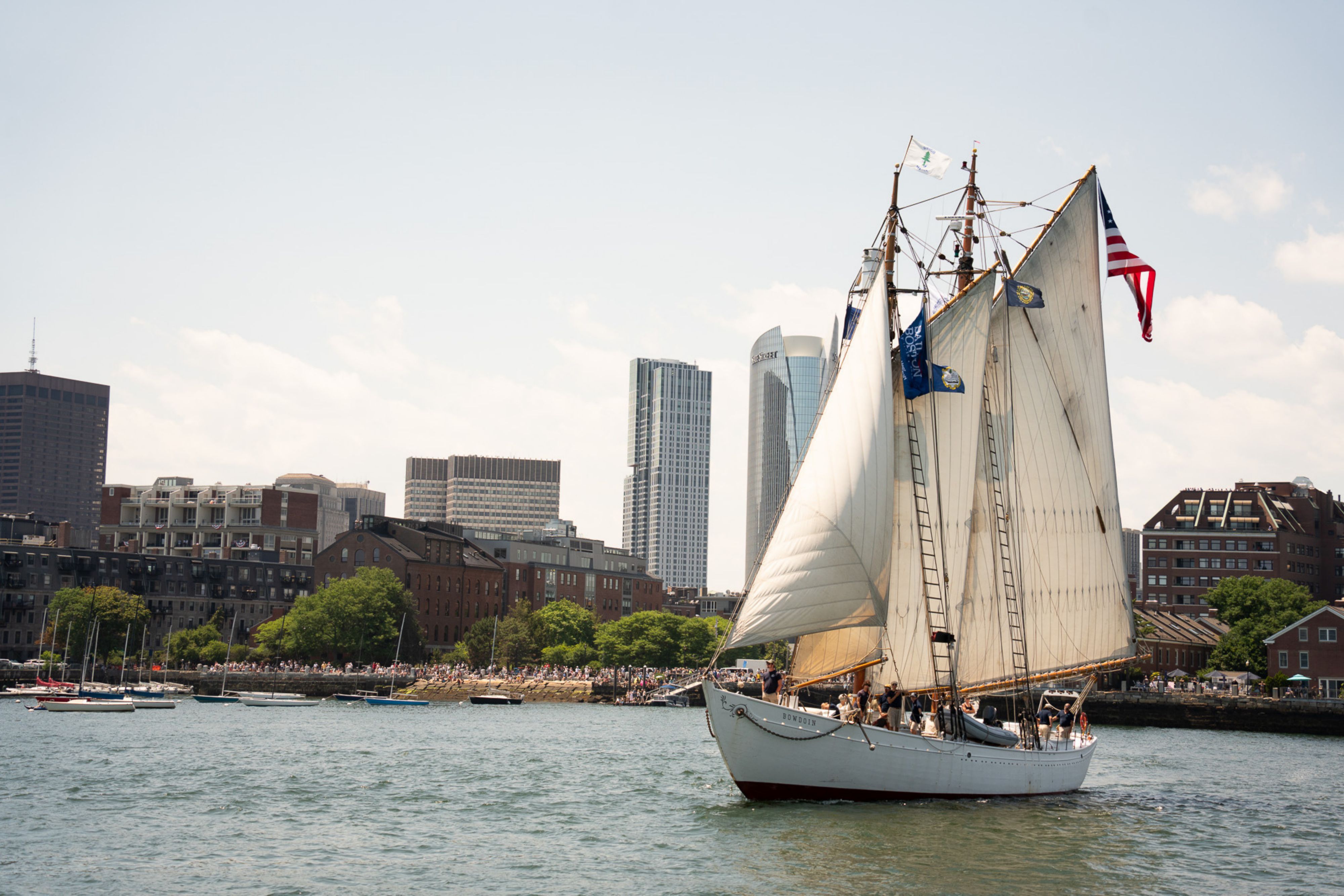
Tall ships still occasionally return to Boston from ports around the world. When they do, they pass through the same maritime landscape that inspired the hotel’s design, connecting the city’s past with the life of the waterfront today.  
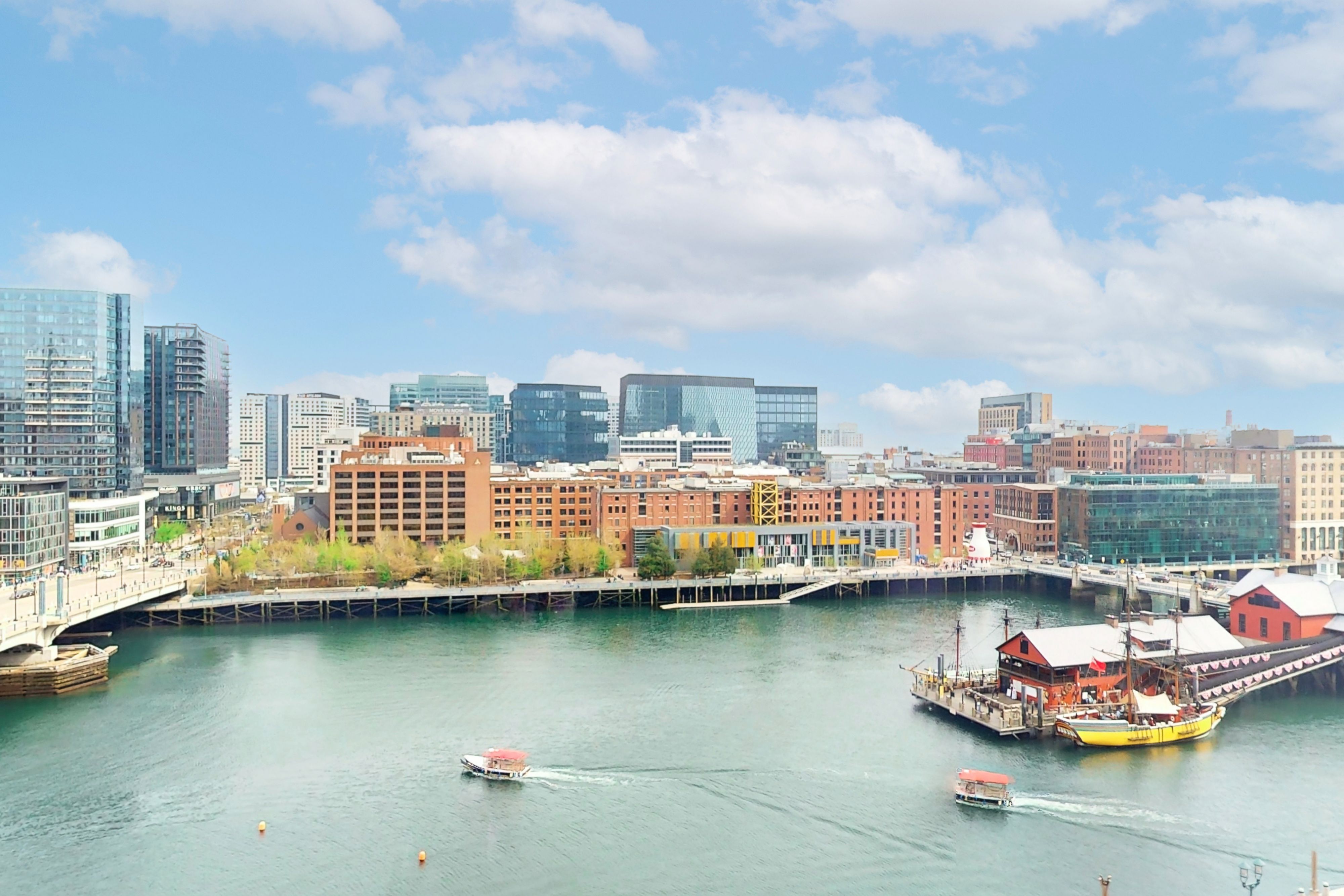
Boston Harbor waterfront with historic ship and modern skyline.

Wake Up to the Waterfront

Guestrooms and suites overlooking Fort Point Channel and the city skyline. 

Craft cocktails on an outdoor Boston waterfront patio.

Dine Along the Water

Seasonal cocktails, dining and outdoor moments beside the harbor. 

Historic schooner Roseway sailing on Boston Harbor with skyline.

Discover the Harbor

Easy access to the Boston Tea Party Ships & Museum, Harborwalk and historic waterfront. 

The Waterfront Through Time

From a busy harbor of global trade to a modern waterfront destination, this shoreline has evolved through the centuries while remaining connected to the world.

1829

RUSSIA WHARF

The wharf handles 39 ships carrying goods from Russia and other international ports.

MID-1800s

THE CLIPPER ERA

Tall ships connect Boston with global trade and become symbols of speed, innovation, and exploration.

1891

A WATERFRONT LANDMARK

Architectural drawings document the Classical Revival Russia Building designed by Peabody and Stearns.

EARLY 2000s

A NEW WATERFRONT

Major redevelopment reconnects this historic district with downtown Boston and the emerging Seaport.

2006

INTERCONTINENTAL BOSTON OPENS

A contemporary waterfront landmark rises, inspired by the tall ships that once lined Boston's wharves.

TODAY

THE STORY CONTINUES

The hotel welcomes modern travelers to a destination shaped by centuries of movement, commerce, and exploration.


Boston Seaport waterfront with tall ship and view of IC Boston.
Our Heritage. Your Journey.

Where Boston’s Past Welcomes the World

InterContinental Boston carries the story of the waterfront forward, not by recreating the past, but by translating it into a modern landmark. 

The ships, trade routes, and winds that once shaped this shore are reflected in the hotel today, creating a sense of place that belongs entirely to Boston and a story that could only be told here.