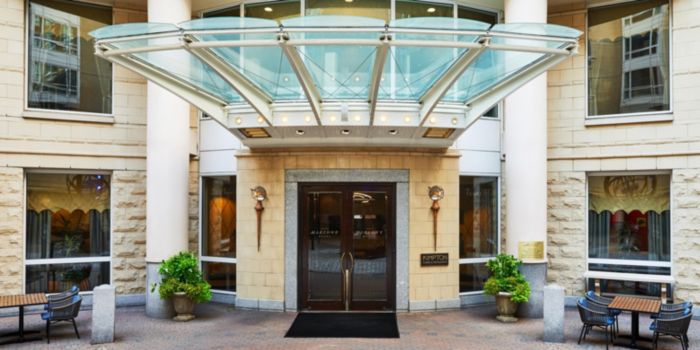
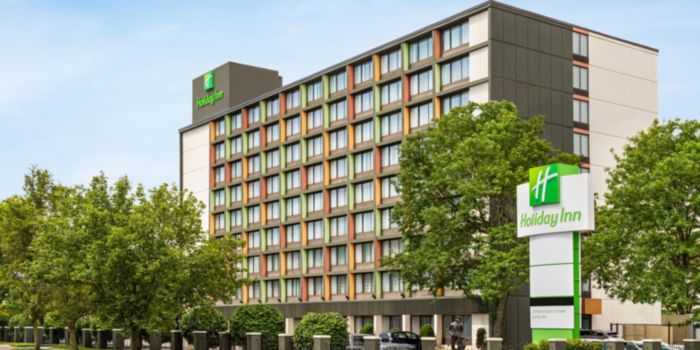
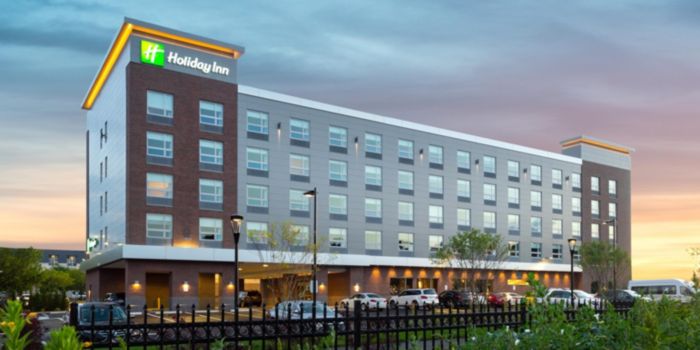
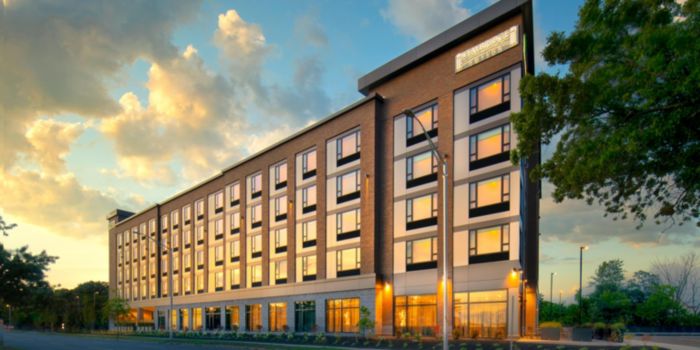
Boston packs a lot into a relatively small footprint. Downtown puts centuries of American history within walking distance, while Back Bay and Beacon Hill bring brownstone streets, gardens, shopping, and classic architecture into the trip. The Seaport feels newer and more waterfront-focused. Across the Charles River, Cambridge shifts the energy toward Harvard, MIT, and the restaurants and squares that surround them.
That compact geography makes Boston easier to navigate than many major cities, but the right neighborhood still matters. A Downtown stay supports history-first sightseeing on foot. Cambridge is better for university visits, while communities closer to Boston Logan International Airport can make an early departure less stressful. IHG brands span central Boston and the wider metro for leisure, business, college tours, sporting events, medical visits, and longer stays.
Best Time to Visit Boston
Spring and fall are the easiest seasons for exploring Boston on foot. Spring works well for the Freedom Trail, Boston Common, the Public Garden, and university campuses, although the weather can change quickly. Fall combines comfortable walking conditions with New England color, but September and October are also busy with university move-ins, family weekends, sports, and conventions.
Summer brings the strongest demand for harbor activities, outdoor dining, sightseeing, and games at Fenway Park. Longer days make it easy to fit more into the itinerary, but crowds and hotel demand rise with them. If summer dates are fixed, reserve the stay and any must-do attractions earlier.
Winter is colder and may bring snow, yet it can be a good match for travelers who prefer museums, historic interiors, and a quieter version of the city. The Museum of Fine Arts, Museum of Science, New England Aquarium, and other indoor attractions give you plenty to do when the sidewalks are less inviting.
Major events can override the normal seasonal pattern. The Boston Marathon, graduation season, holidays, conventions, and high-profile sporting events may tighten availability even outside traditional peak travel periods.