Washington, D.C. is easiest to enjoy when you build the trip around a few anchor neighborhoods. The National Mall puts many of the city's defining landmarks and museums in one broad corridor, while Downtown and Penn Quarter keep restaurants, entertainment, and federal offices close. Capitol Hill feels more residential between major sights. Dupont Circle and Logan Circle bring dining and nightlife into the mix, while Georgetown and The Wharf trade monument views for waterfront time.
That variety makes location more important than it may seem on a map. IHG brands across Washington and the surrounding Virginia and Maryland communities give travelers options for sightseeing weekends, government travel, conferences, school trips, and longer stays.
Best Time to Visit Washington, D.C.
Spring and fall are the easiest seasons for long days on foot in Washington, D.C. Spring gets most of the attention because of the cherry blossoms, but peak bloom changes from year to year and popular weekends can fill quickly. Fall often brings comfortable walking weather without making every outdoor stop feel like an endurance test.
Summer can still be a great time to visit, especially for families and festival weekends, but heat, humidity, and afternoon storms are part of the experience. Use the middle of the day for museums, carry water, and save longer monument walks for the morning or evening. Winter is colder and may bring snow, yet the quieter pace can work well for museums, galleries, and historic sites.
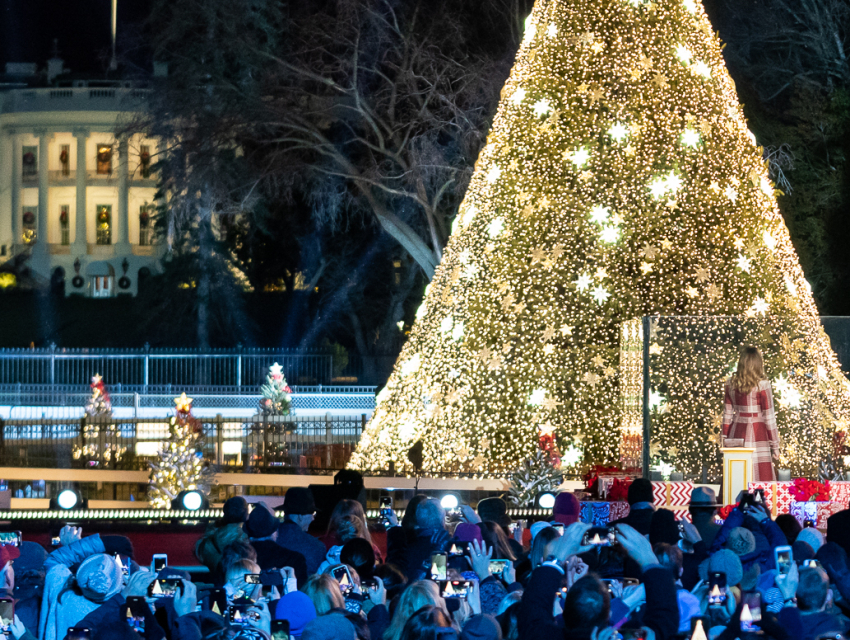
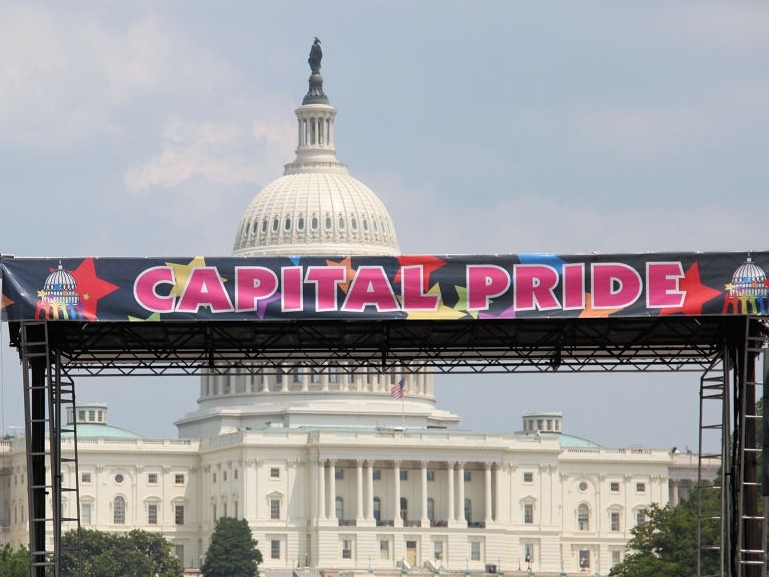
Events can matter as much as the season. Federal ceremonies, graduations, major conferences, sports, holidays, and the National Cherry Blossom Festival can all tighten availability. If your dates overlap with a major event, book early and confirm timed-entry requirements before the trip. Security conditions, renovation schedules, and special events can also change access to individual attractions.